
Practical Guide to In-Store Sales Promoter Management for Growing Indonesian FMCG Brands
Learn how to manage in-store sales promoters (SPG) in Indonesia: tracking attendance, logging daily activities, and attributing retail sales to maximize field performance.
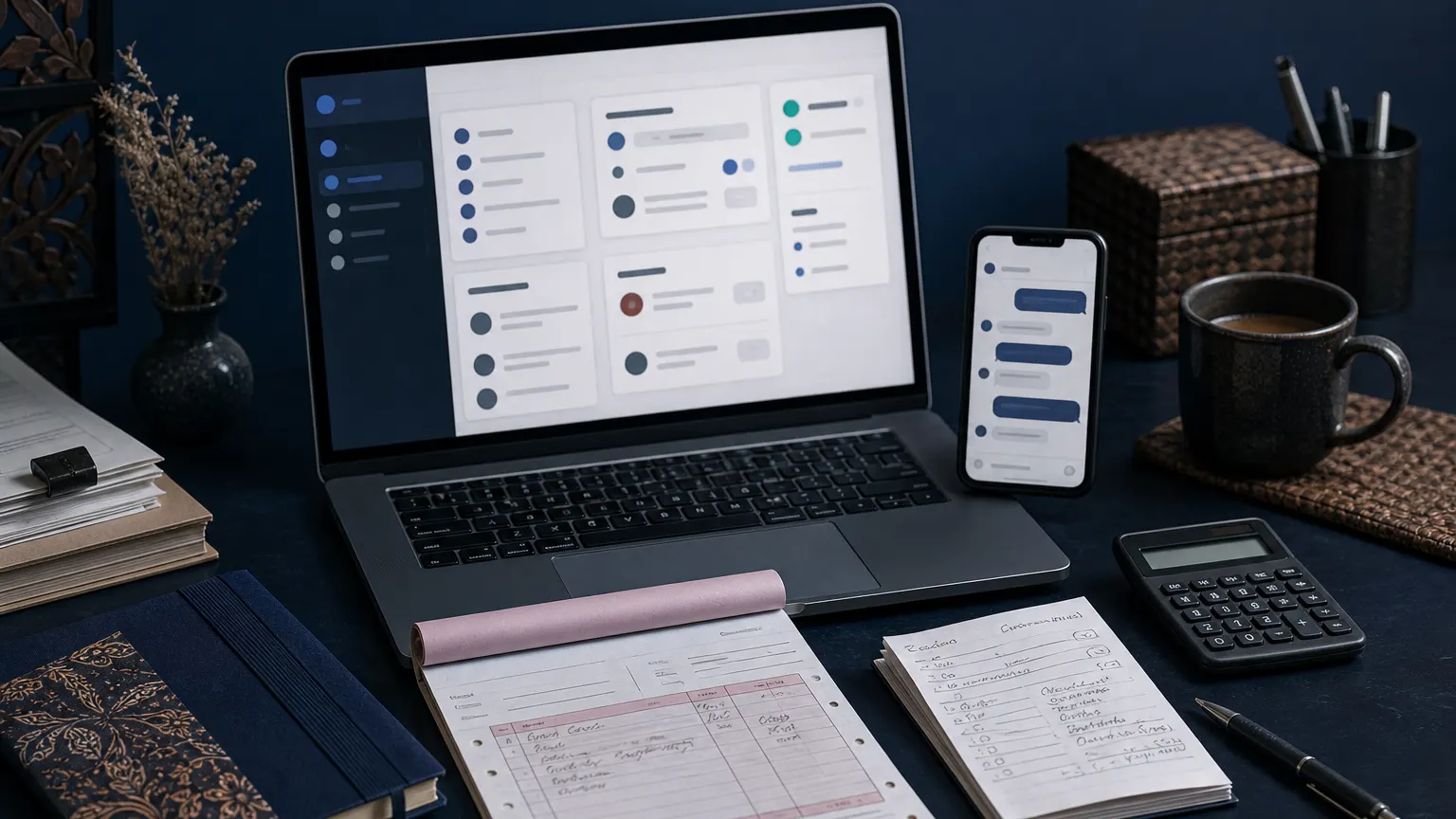
The vital role of in-store sales promoters in modern retail
For consumer brands in Indonesia, the physical retail floor is a highly competitive battleground. Even with strong marketing, a shopper's final decision is often made right in front of the retail shelf. This makes in-store sales promoters, commonly referred to as Sales Promotion Girls (SPG) or Sales Promotion Boys (SPB), an invaluable asset for driving conversion.
However, managing dozens of promoters scattered across multiple retail outlets, supermarkets, and department stores is a massive operational challenge. Without structured systems, brand owners remain blind to whether promoters are actually active at their assigned locations.
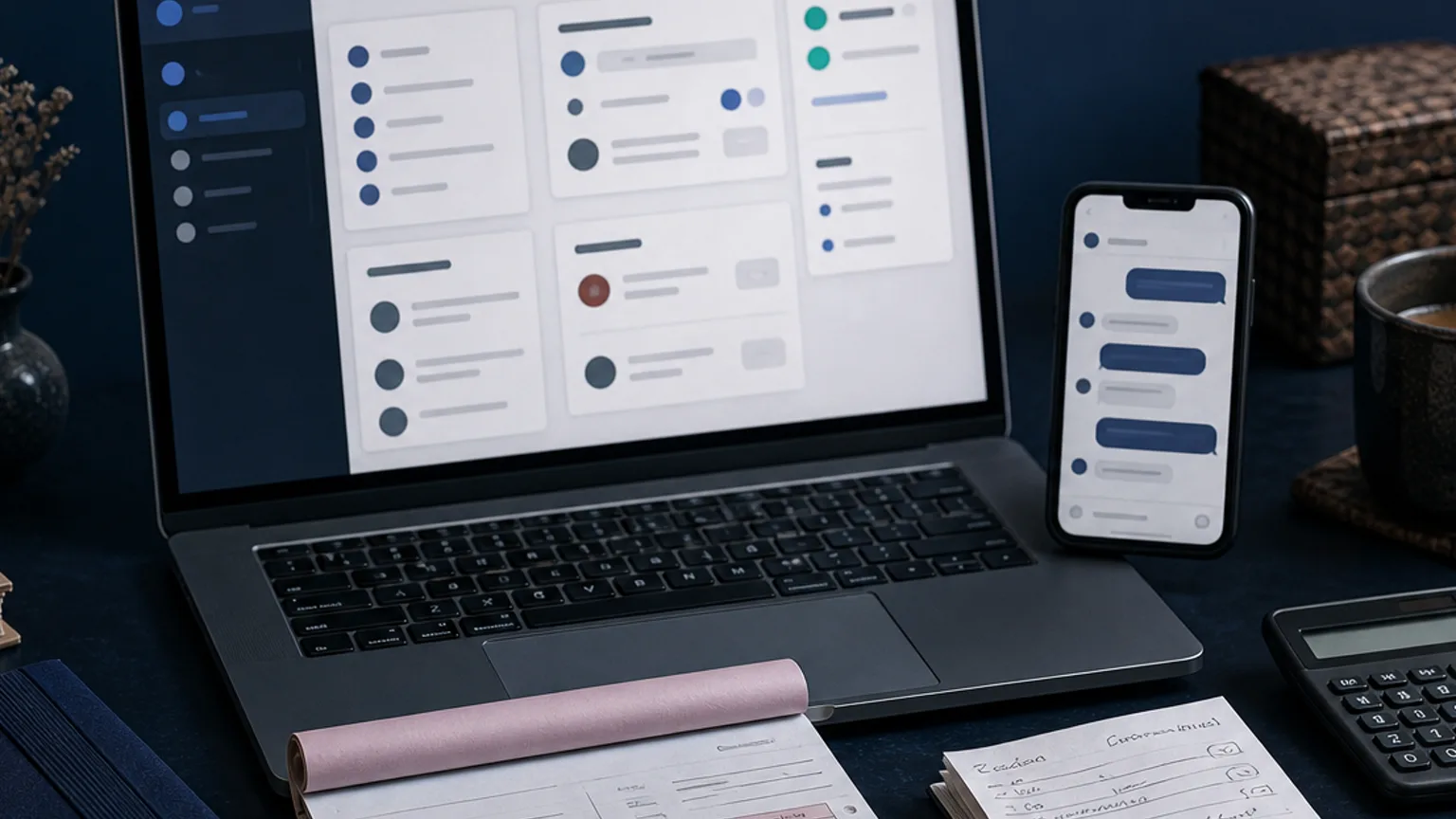
Preventing attendance fraud among field sales promoters
One of the primary challenges in field team management is verification. Fake check-ins, location spoofing, and uncoordinated absences lead to empty promotional booths and wasted marketing spend. Utilizing a dedicated [in-store sales promoter management app indonesia](/blog/sales-promoter-management-app-indonesia) addresses this issue directly.
By integrating GPS verification, facial recognition check-ins, and strict geofencing, brands can verify that their promoters are present at their assigned retail locations. This level of control reduces administrative tracking time and ensures promoters are on the floor when traffic is highest.
Real-time activity logging and stock monitoring
Attendance verification is only the first step. To drive sales, promoters must log their daily activities, including customer inquiries, out-of-stock SKUs, and competitor promotions. Relying on chaotic WhatsApp groups for these reports makes compiling actionable insights impossible.
Integrating field data directly into an [owned sales channel](/blog/owned-sales-channel) ensures that retail feedback is immediately visible. Real-time logging enables supply chain managers to replenish low-stock SKUs before shelves empty.
SPG sales attribution: Linking field activity to revenue
A common source of frustration for brand owners is sales attribution. How do you accurately attribute sales to a specific promoter when customers check out at a department store's centralized cashier? A robust sales promoter management app resolves this through custom sales logging and receipt scanning.
Promoters can scan retail invoices or issue unique digital vouchers. This links individual promoter activities to transaction records, enabling fair commission calculations and accurate ROI analysis per outlet.
- Accurate transaction tracking through invoice uploading and receipt verification.
- Performance dashboards displaying conversion rates and units sold per promoter.
- Tiered incentive calculators that automatically compute monthly commissions.
Indonesian modern trade dynamics based on retail market research
Understanding modern trade trends in Indonesia requires looking at data. Kantar Worldpanel Indonesia's research indicates that consumers are increasingly seeking value, leading to brand polarization S4. This shift highlights the importance of active in-store promotion to capture budget-conscious shoppers.
NielsenIQ (NIQ) Indonesia reports a volume-driven FMCG expansion, meaning brands must sell higher quantities to maintain growth S3. Geographically targeted promotion, supported by BPS retail sector data S7, confirms that modern retail channels remain key drivers of urban household consumption.
Preventing retail store repeat order revenue leakage
Sales leakage in physical retail often happens post-purchase. If a promoter sells a product to a consumer but the brand has no way to re-engage them, the repeat purchase must be won all over again on the retail shelf. Establishing a direct follow-up path prevents this leakage.
Encouraging shoppers to scan a QR code for repeat orders or warranty registration, backed by a structured [whatsapp repeat order flow](/blog/whatsapp-repeat-order-flow), enables brands to convert modern trade walk-ins into loyal, direct-to-consumer buyers.
Collecting first-party customer database directly from physical outlets
Physical retail stores are excellent channels for first-party data collection. When promoters engage with shoppers on the floor, they can request phone numbers or email opt-ins in exchange for loyalty points, samples, or digital recipe guides.
This first-party data is compiled into a secure, owned customer database, bypassing the restrictions of marketplaces and retail distributors. Over time, this database becomes the brand's most valuable asset for launches and replenishment campaigns.
Harmonizing field operations with the CRM framework
Modern field sales management must align with global CRM standards. The multichannel integration process outlined by Payne & Frow emphasizes that information must flow seamlessly between customer-facing channels and back-office dashboards S1.
Furthermore, HBR's customer retention economics prove that retaining an acquired customer is significantly cheaper than buying new media impressions S2. An efficient SPG program focuses on capturing and retaining consumer relationships directly from the store floor.
Choosing the right in-store sales promoter management app
Selecting the appropriate field sales technology is critical for scale-up brands. A successful application must be simple enough for promoters to use on entry-level smartphones, while providing deep reporting capabilities for management.
Leveraging tools like Salesforce Consumer Goods Cloud S6 or Datavore's custom field systems helps brands replace offline confusion with a high-performing, data-driven sales machine S5.
References
- S1 — Payne & Frow, Journal of Marketing, “A Strategic Framework for Customer Relationship Management”
- S2 — Harvard Business Review, “The Value of Keeping the Right Customers”
- S3 — NielsenIQ Indonesia, “FMCG Trends and Consumer Spending in Indonesia,” 2026 Insights
- S4 — Kantar Worldpanel Indonesia, “Indonesia FMCG Market Outlook 2025”
- S5 — McKinsey & Company, “Automating the Sales Force for Consumer Goods,” Research Insights
- S6 — Salesforce Consumer Goods Cloud, “Overview and Connected Commerce Case Studies”
- S7 — Badan Pusat Statistik, “Statistik Perdagangan Besar dan Eceran Indonesia,” Publikasi Tahunan
Related guide
Build a sales channel you actually control.
This article is part of Datavore's owned sales channel series. For the full framework, read the pillar guide on landing pages, CRM dashboards, WhatsApp AI automation, customer databases, and revenue reporting.
Read the owned sales channel guide